
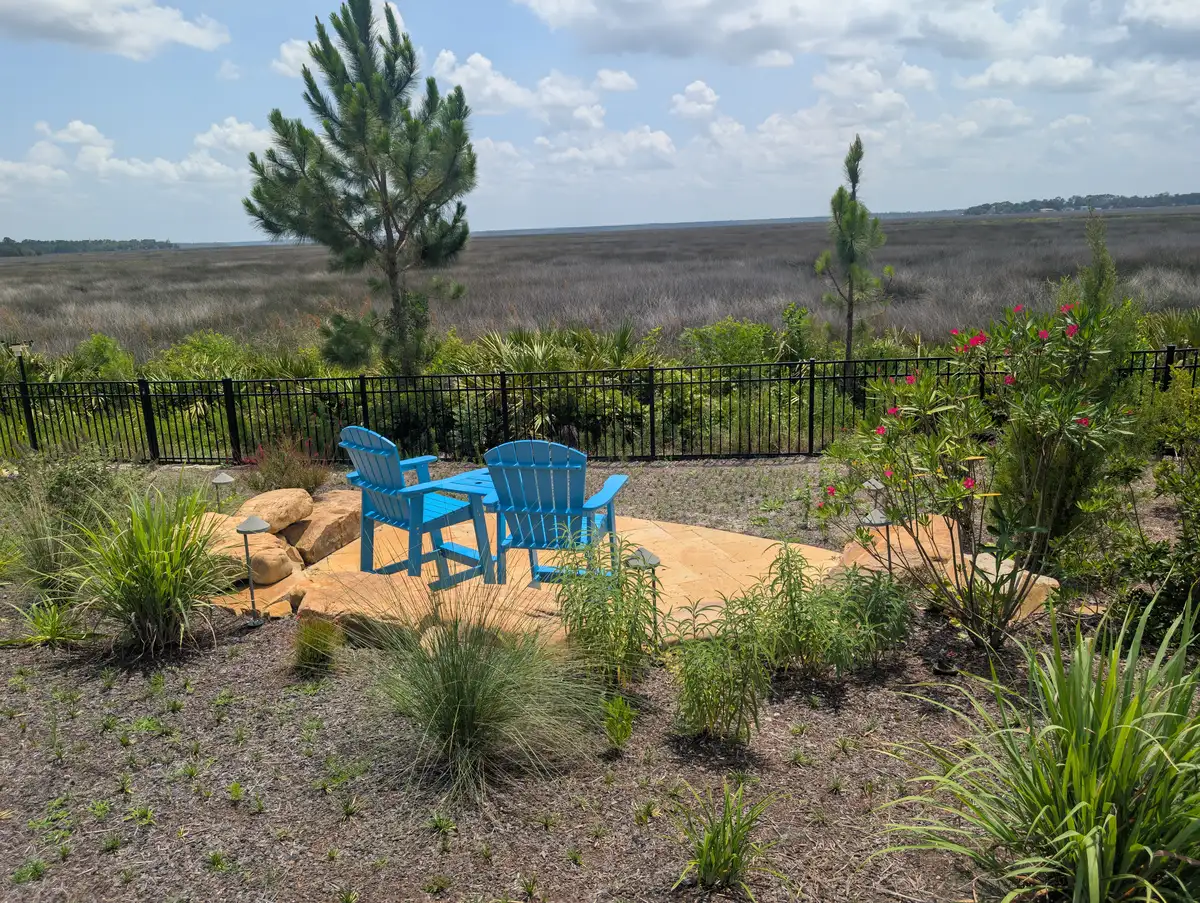
A patio, walkway, seating wall, or stone edge may look simple once it is finished. The decisions underneath and around it are not. Elevation, water movement, base preparation, joints, edges, access, and the relationship to planting all influence how comfortably the hardscape fits the property.
For Fernandina Beach homes, those site and material checks deserve extra attention around sandy soil, storm-season rain, salt and wind exposure, mature trees, and coastal site constraints. Use this checklist to prepare for a conversation about Bloom and Stone’s hardscaping service.
Comparing contractors or a written proposal? Continue with the expanded guide to questions to ask before booking hardscaping in Fernandina Beach, including estimate scope, pricing, approvals, scheduling, and aftercare.
What problem should the hardscape solve?
Begin with how the space needs to work. A project might create a level place to gather, connect two doors with a safer walking route, define a fire pit area, stabilize a frequently used edge, or give a garden clearer structure. Describe who will use it, what furniture or equipment must fit, and which routes need to remain open.
Measure the everyday objects that will occupy the space. Dining chairs need room to move; gates need clearance; grills need an appropriate location; steps and thresholds affect finished elevations. A patio can have attractive material and still feel cramped if circulation was never tested. If several features are planned, a broader outdoor living design can coordinate them before one piece determines the rest.
How will the plan respond to rain and existing drainage?
Ask where water moves now and where it will move after a new surface changes the site. Point out roof runoff, downspouts, low areas, erosion, ponding after storms, door thresholds, pool decks, neighboring grades, and planted areas that already stay wet or dry. Photos taken during or after heavy rain can reveal conditions that are invisible on a clear consultation day.
The City of Fernandina Beach maintains a stormwater information program, a useful reminder that drainage decisions extend beyond one patio edge. A hardscape plan should not casually redirect runoff toward the house, a neighboring property, or a sensitive area. Depending on the scope, drainage, grading, engineering, or municipal questions may need separate review.
Before the site visit
Mark where water collects, note the route from the driveway to the work area, and gather a survey if one is available. Photograph narrow gates, utility equipment, mature roots, thresholds, and any surface the new work must meet.
What preparation sits beneath the visible surface?
The finish material is only one part of the system. Ask how existing material will be removed, how the area will be excavated, what base and bedding approach is proposed, how compaction will be handled, and how edges will be restrained. The appropriate details vary with the site, material, intended use, and nearby grades, so a one-line promise to “install pavers” leaves important decisions unanswered.
Also ask how the new work will meet the house, driveway, lawn, planting beds, drains, and existing walks. Transitions deserve the same attention as the center of the patio. Changes in elevation, loose edges, narrow pinch points, or an awkward final row of cuts can affect both appearance and everyday use.
Natural stone or manufactured pavers—which fits the project?
Natural stone brings individual variation in color, texture, shape, and surface character. Manufactured pavers can offer more regular dimensions, repeatable patterns, and predictable modular layouts. Neither option is automatically right for every Fernandina Beach property.
Compare samples in daylight and ask about thickness, surface texture, color variation, edge treatment, joint width, intended outdoor use, cleaning, sealing if applicable, replacement availability, lead time, and delivery access. Consider how the material relates to the architecture and the planting—not just how one sample looks by itself. For a deeper comparison, read the guide to natural stone versus concrete pavers.
What are the tradeoffs of adding more hardscape?
Hardscaping can organize circulation and reduce muddy or worn areas, but more surface is not always better. It can increase reflected heat, reduce planted space, create runoff that needs to be managed, and add cleaning or joint maintenance. The goal is a useful balance among gathering space, movement, shade, planting, and water flow.
Ask whether the proposed footprint is larger than your furniture and circulation actually require. Curves, openings, planting pockets, shade, and well-planned transitions can soften a large paved area, while a compact terrace can feel generous when its proportions are right. Bloom and Stone’s custom stonework and planting-led design language are intended to be considered as parts of one landscape rather than isolated additions.
Compare the ProposalWhat should be included in the hardscaping scope?
A useful proposal should identify the areas and features included, selected materials, demolition or removal, site preparation, base and edge work, drainage-related items, access, cleanup, payment schedule, estimated timing, and exclusions. Ask whether quantities and selections are final, allowances, or examples. If a material becomes unavailable, find out how substitutions and price changes will be approved.
Clarify responsibility for utilities, surveys, permits, engineering, neighborhood or association review, and any tree-related requirements. Requirements differ by property and project. Written responsibility is more useful than assuming every approval is included.
How should you evaluate price and scheduling?
An hourly rate alone does not explain the likely project total or quality of the scope. Compare the same work: removal, disposal, preparation, materials, delivery, installation, edge details, drainage coordination, cleanup, and any follow-up. Ask what conditions could change the price and how additional work would be documented before it proceeds.
Likewise, a start date is only one part of timing. Ask about material lead times, the expected duration after work begins, weather allowances, access needs, and whether other landscape work should happen first. Choosing a season only because it is rumored to be cheaper can overlook rainfall, availability, approvals, and the sequence the property actually requires.
What workmanship and material questions should you ask?
Ask who will oversee the work, how installation details are communicated, and how unforeseen site conditions are handled. Request the written care guidance and any workmanship or manufacturer terms that actually apply to the proposed materials. Do not assume every surface, joint product, or installation carries the same coverage.
It is also reasonable to ask how color variation, minor chips, drainage observations, settling, or material overage will be addressed. Clear expectations before installation are easier to work with than vague assurances after the site is open.
Plan for OwnershipWill hardscaping make the yard low maintenance?
Hardscape can reduce mowing in a frequently used zone and make movement through the garden easier, but it is not maintenance-free. Leaves, soil, stains, joint material, weeds, edge movement, roots, and drainage paths all need periodic attention. Ask what cleaning methods suit the selected surface and whether sealing, joint replenishment, or other care may be recommended.
The planting around the surface matters too. Plants that overrun a narrow path, trap moisture against an edge, or require frequent shearing can create more work. Thoughtful mature spacing and reachable beds help the hardscape and garden age together.
Should rock or mulch go next to a patio or walkway?
Rock and mulch create different visual and maintenance conditions. Rock can offer a crisp mineral transition, but placement, heat, runoff, weeds, and how it interacts with nearby plants still need consideration. Organic mulch can support a softer planted edge but will shift and break down over time. Neither choice should be used to hide an unresolved grade or drainage problem.
Choose the edge treatment with the planting plan, exposure, desired upkeep, and hardscape material in mind. A continuous landscape design is more likely to produce a deliberate transition than choosing the patio first and filling the leftover strip later.
Explore hardscaping services and local guidance
Review Bloom and Stone’s hardscape approach, Fernandina Beach service-area information, and related stone and patio options before starting a consultation.
Ready to discuss a hardscape plan for your Fernandina Beach property?
Tell Bloom and Stone Outdoor Designs LLC what you want the space to do, which site conditions concern you, and how hardscape, planting, and outdoor living should work together. Photos after rain, approximate dimensions, access notes, and examples of materials you like can make the first conversation more specific.
Call (904) 206-7876 or contact Bloom and Stone to request a consultation.
Common QuestionsHardscaping questions Fernandina Beach homeowners ask
A useful proposal should identify the areas and features included, chosen materials, demolition or removal, base and edge preparation, drainage-related work, installation access, cleanup, payment schedule, estimated timing, exclusions, and how changes will be approved. Ask which selections are final and which are allowances or alternatives.
The contractor should review existing grades, roof runoff, low spots, thresholds, nearby beds, and where stormwater can safely move before setting hardscape elevations. The right approach depends on the property and scope; drainage, engineering, or permitting questions may require additional specialist or municipal review.
Neither material is best for every project. Compare appearance, surface texture, thickness, dimensional consistency, color variation, heat and slip considerations, edge details, installation method, availability, replacement options, and maintenance. The choice should fit the site, intended use, surrounding architecture, and planting plan.
No. Hardscaping can reduce mowing or simplify circulation, but outdoor surfaces still need cleaning and inspection. Joints, edges, drainage paths, stains, settling, nearby roots, leaves, and plant growth all need periodic attention. Ask what care the selected material and joint system will require.
Choose according to the planting, drainage, heat exposure, maintenance preference, and desired transition at the hardscape edge. Rock and mulch behave differently around roots, weeds, runoff, and reflected heat. The border should be planned with the plants and surface rather than treated as an isolated finish.
Requirements vary with the property and project. Ask who will verify utilities, easements, setbacks, drainage requirements, tree impacts, neighborhood or association rules, historic-district considerations, and any permit or specialist review. Confirm responsibilities before materials are ordered or site work begins.