
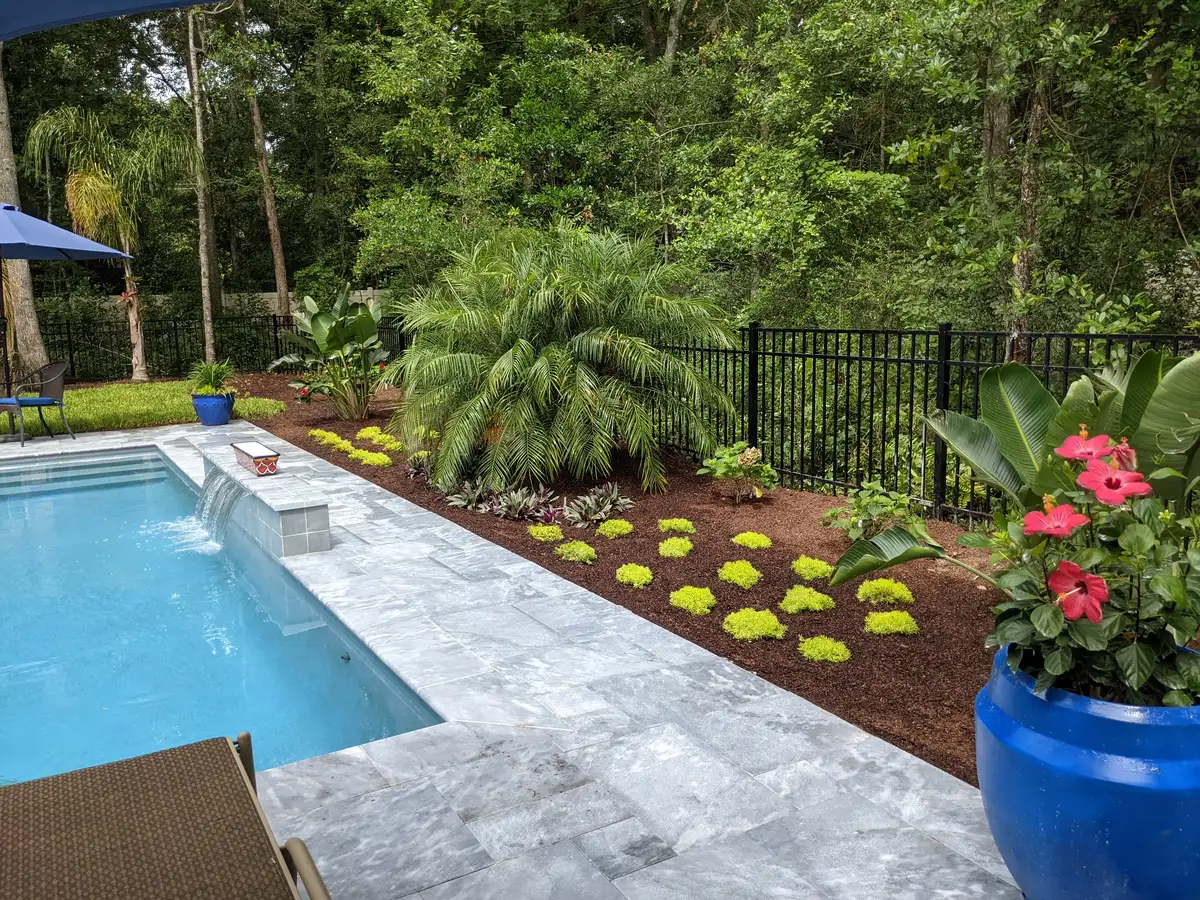
Natural Stone Paver Installation on Amelia Island
Natural stone pavers bring the raw beauty of the earth to your patio, walkway, and driveway. Each piece is unique, and the finished surface develops a living character that manufactured materials can never achieve.
The Case for Natural Stone Over Concrete Pavers
Natural stone pavers are cut or split from quarried rock and retain the geological character of the stone they came from. Unlike concrete pavers, which are manufactured from cement, aggregate, and pigment pressed into uniform shapes, natural stone offers genuine variation in color, texture, and pattern that cannot be replicated by any manufacturing process.
At Bloom and Stone Outdoor Designs, we deliberately recommend natural stone pavers over concrete pavers for most residential projects in Fernandina Beach, Amelia Island, and Northeast Florida. The reasons are both aesthetic and practical. Natural stone stays cooler underfoot in Florida's sun, particularly travertine and limestone. It resists the fading and surface erosion that concrete pavers experience after 10 to 15 years of UV exposure. It develops a beautiful patina with age rather than looking worn. And it integrates with naturalistic landscape designs in a way that manufactured products cannot.
According to the Marble Institute of America, natural stone surfaces can last over 100 years when properly installed and maintained. For homeowners investing in their outdoor environment, that longevity translates directly into lasting value and enduring beauty.
For a deeper comparison of the two materials, read our blog post on natural stone vs. concrete pavers in Florida.
Natural Stone Pavers We Install
Each stone type has distinct properties that suit different applications, aesthetics, and budgets.
Travertine Pavers
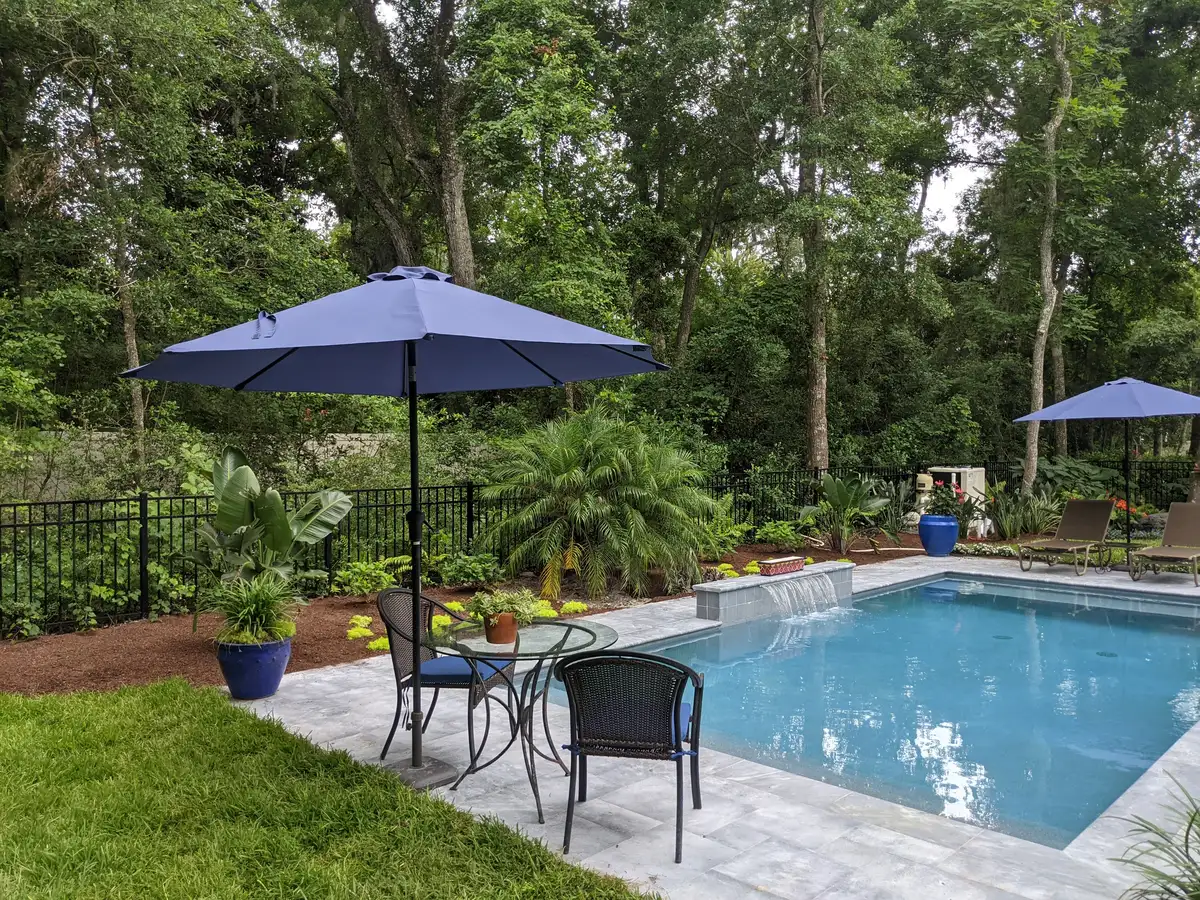
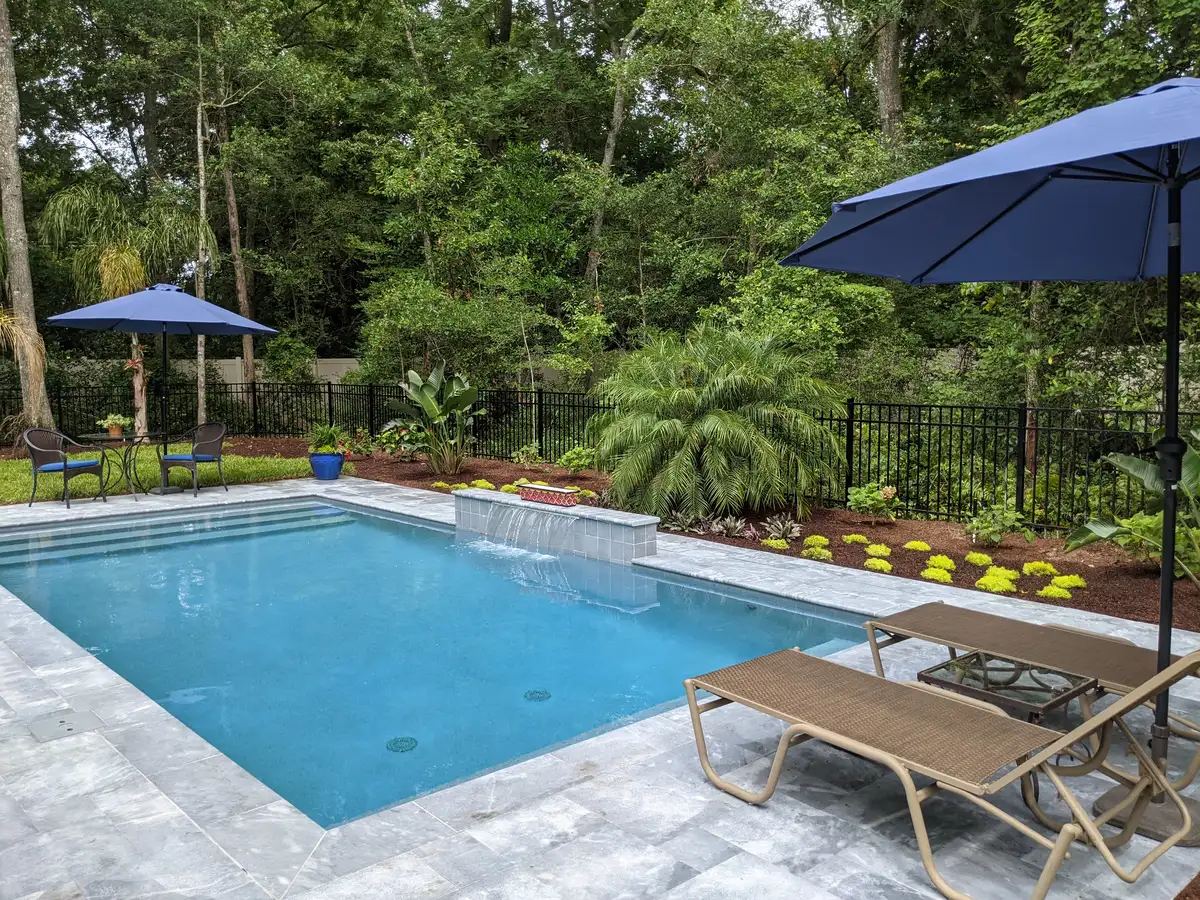
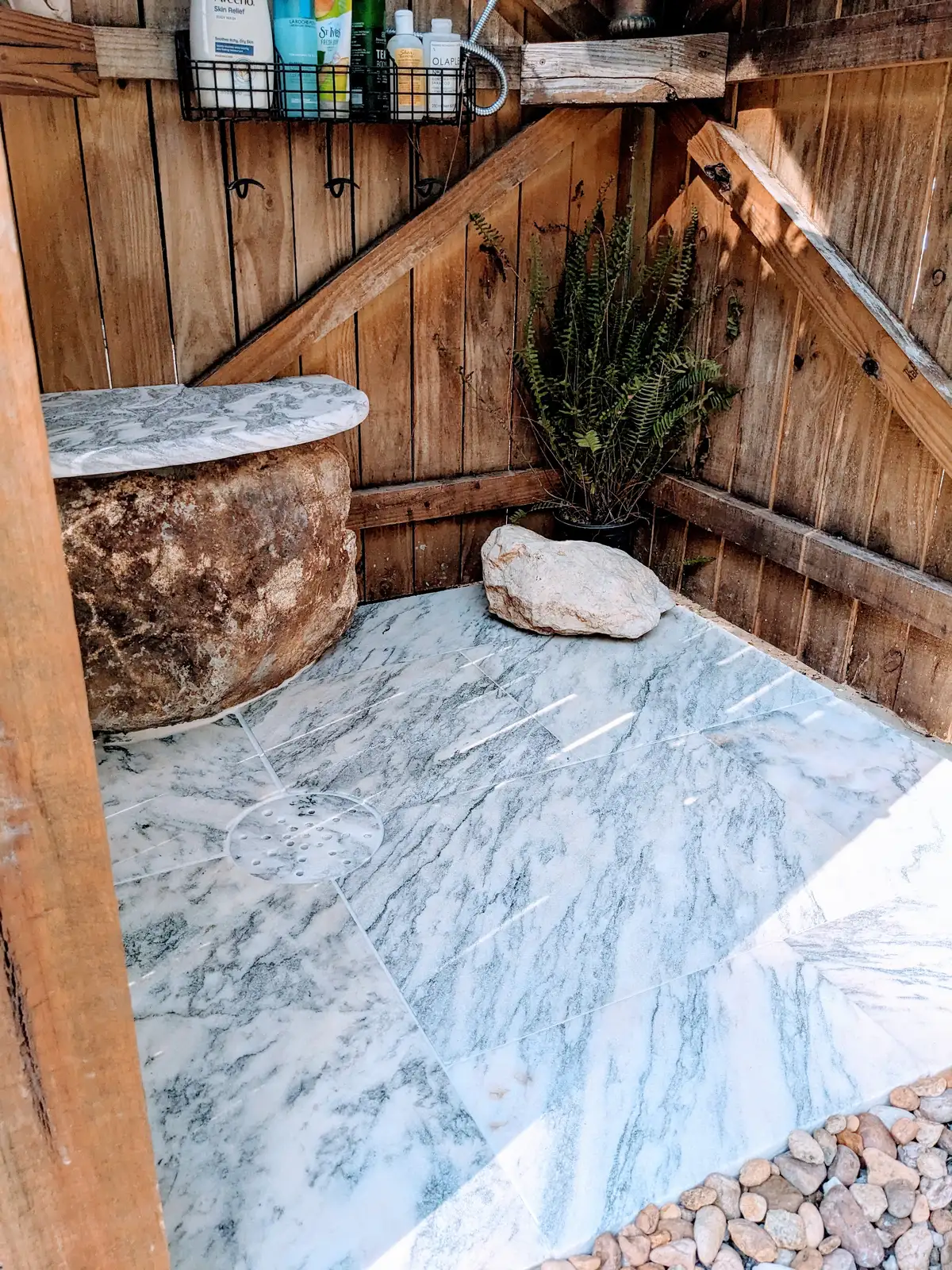
Travertine is our most specified natural stone paver for Amelia Island and Fernandina Beach properties. Formed from calcium carbonate deposits in hot springs, travertine features subtle pitting, warm cream-to-tan tones, and a naturally cool surface temperature that makes it ideal for barefoot areas around pools and patios. A tumbled finish provides excellent slip resistance even when wet.
Travertine resists salt air corrosion, handles Florida's heat without excessive expansion, and develops a beautiful aged patina over time. We recommend travertine for pool decks, main patios, and any surface where comfort underfoot and aesthetic elegance are priorities.
Flagstone Pavers
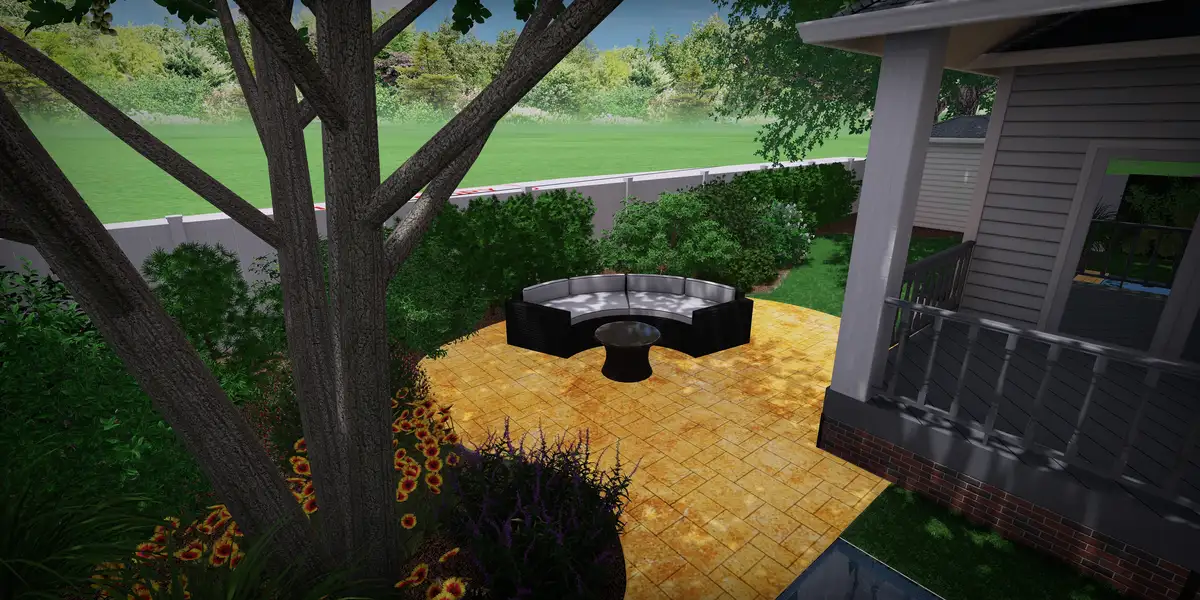
Flagstone is quarried in flat, irregular shapes that create the most organic-looking paved surfaces available. The random patterns, earth-toned colors, and natural edge profiles produce patios and walkways that look as though they formed naturally rather than being constructed. We source flagstone in sandstone, bluestone, and slate varieties depending on the color palette and texture your design requires.
Flagstone is particularly effective in naturalistic garden settings, informal walkways, and properties where the design philosophy emphasizes harmony between built and natural elements. We install flagstone both dry-laid with planted joints and mortared over concrete bases.
Coquina Stone
Coquina is a sedimentary limestone formed from compressed shells, native to Florida's Atlantic coast. It carries the geological history of this region in its texture, and its warm, sandy tones blend seamlessly with the natural environment of Amelia Island and Fernandina Beach. Coquina was the building material of choice for Castillo de San Marcos in St. Augustine, and its use in residential landscapes creates a direct connection to Northeast Florida's heritage.
We source coquina from Florida quarries and use it for accent pavers, borders, step treads, and wall capping where a distinctly local material character is desired.
Bluestone Pavers
Bluestone is a dense, fine-grained sandstone that ranges from deep blue-gray to green-gray tones. It offers a more formal aesthetic than flagstone while retaining the natural variation that distinguishes real stone from manufactured products. Bluestone pavers are available in both irregular shapes for naturalistic installations and precision-cut rectangles and squares for geometric patterns.
Bluestone performs well in Northeast Florida, resisting salt air and UV exposure while maintaining its color and structural integrity for decades. Its density makes it exceptionally durable under heavy foot traffic and furniture loads.
How We Install Natural Stone Pavers
Natural stone paver installation demands more skill and attention than manufactured paver installation. Each piece varies in thickness, shape, and surface texture, requiring hand selection and individual placement rather than mechanical repetition. Our installation process accounts for these realities at every step.
- Excavation depth calculated for stone thickness variation plus proper base depth
- Compacted aggregate base with geotextile fabric for Northeast Florida's sandy soils
- Leveling bed of coarse sand or stone dust to accommodate thickness differences
- Hand selection of each stone for color, texture, and fit with adjacent pieces
- Joint widths and patterns designed to complement the stone's natural character
- Polymeric sand or planted joints depending on design style
- Sealer application where appropriate for stain protection and color enhancement
- Integrated drainage engineering to prevent standing water
Natural Stone vs. Concrete Pavers at a Glance
| Attribute | Natural Stone Pavers | Concrete Pavers |
|---|---|---|
| Appearance | Unique color and texture in every piece | Uniform, manufactured look |
| Surface Temperature | Naturally cool, especially travertine | Retains more heat in direct sun |
| Longevity | 50 to 100+ years with proper installation | 20 to 30 years before replacement |
| Aging | Develops rich patina that improves with time | Fades and shows surface wear |
| Salt Air Resistance | Naturally resistant, especially limestone types | Can erode and effloresce over time |
| Upfront Cost | 20 to 40 percent higher | Lower initial investment |
| Lifetime Value | Lower total cost of ownership over 25+ years | May need replacement within ownership period |
We install both natural stone and concrete pavers. Our recommendation is always guided by what serves your property, design vision, and budget best.
Natural Stone Paver Portfolio
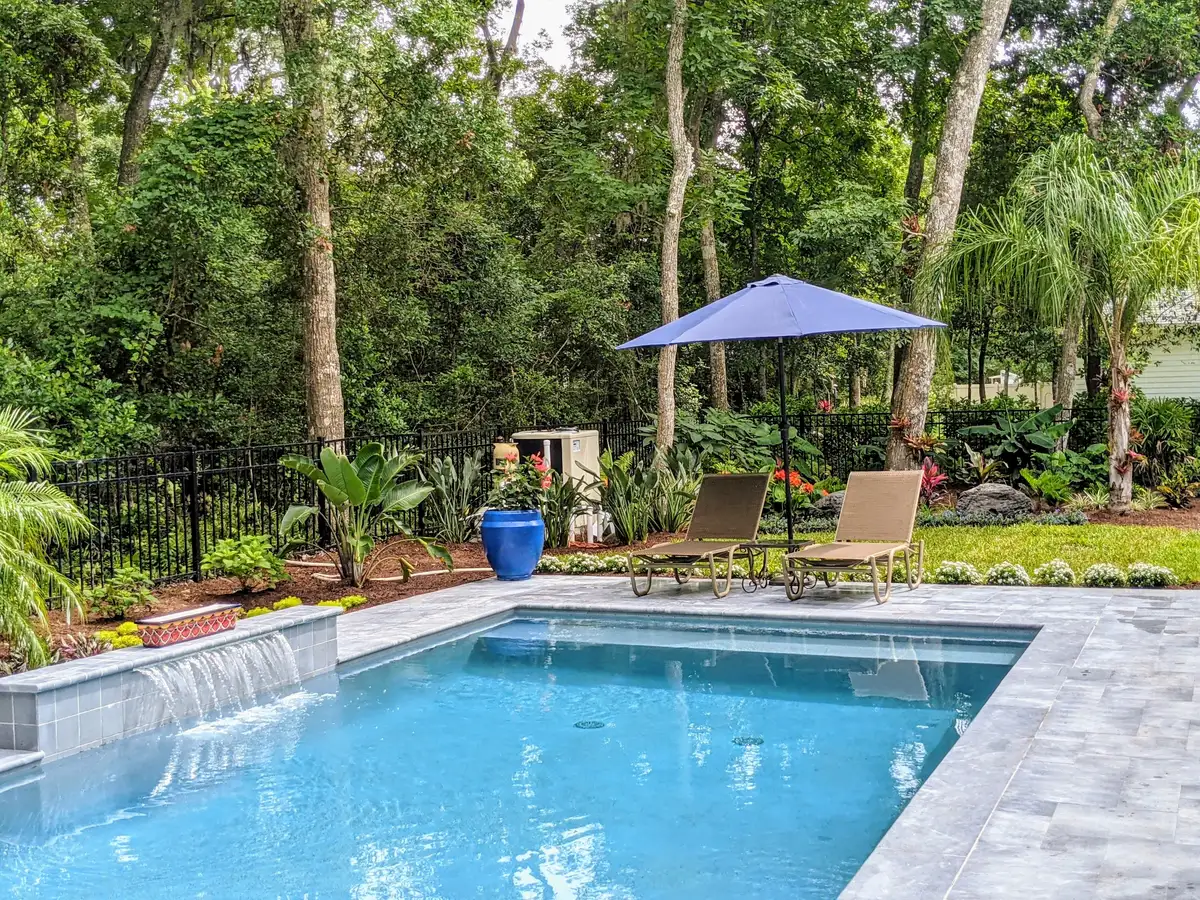
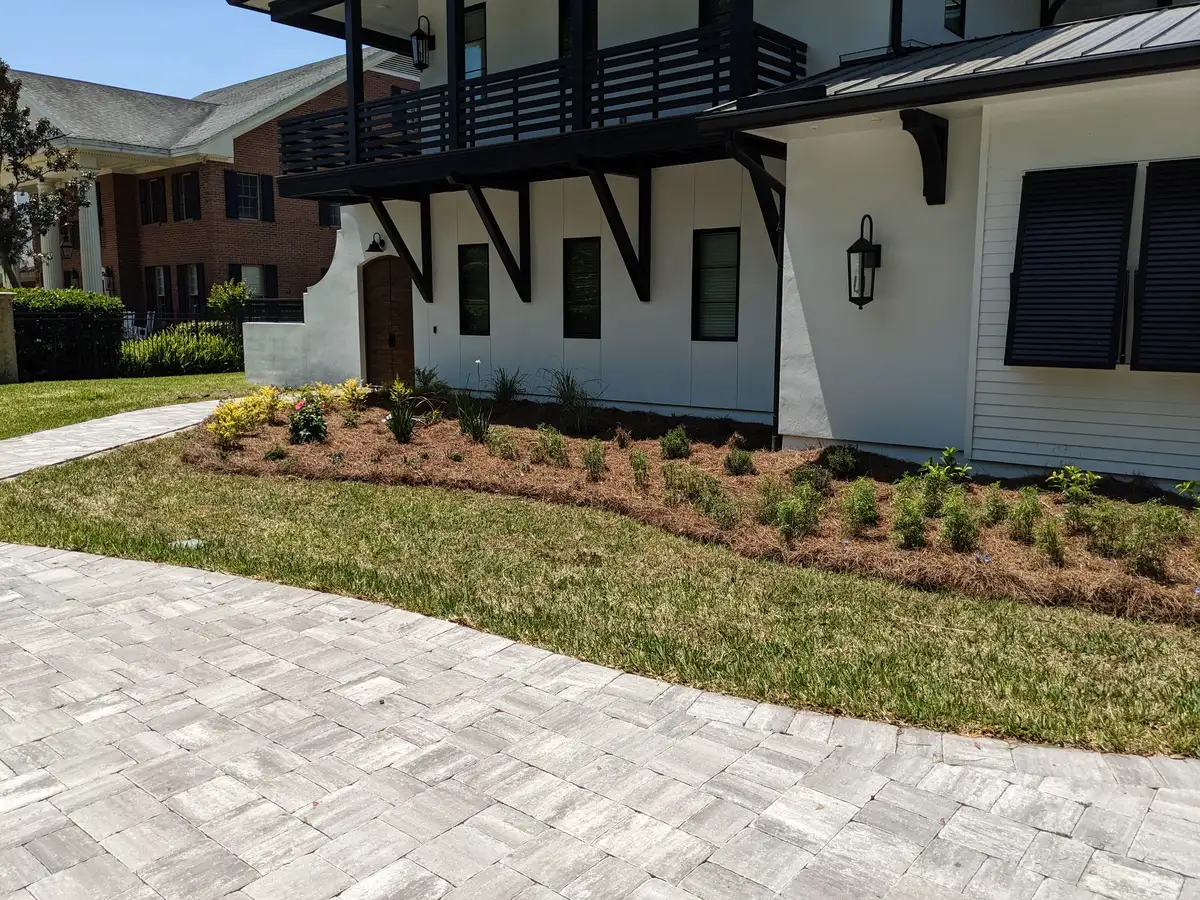
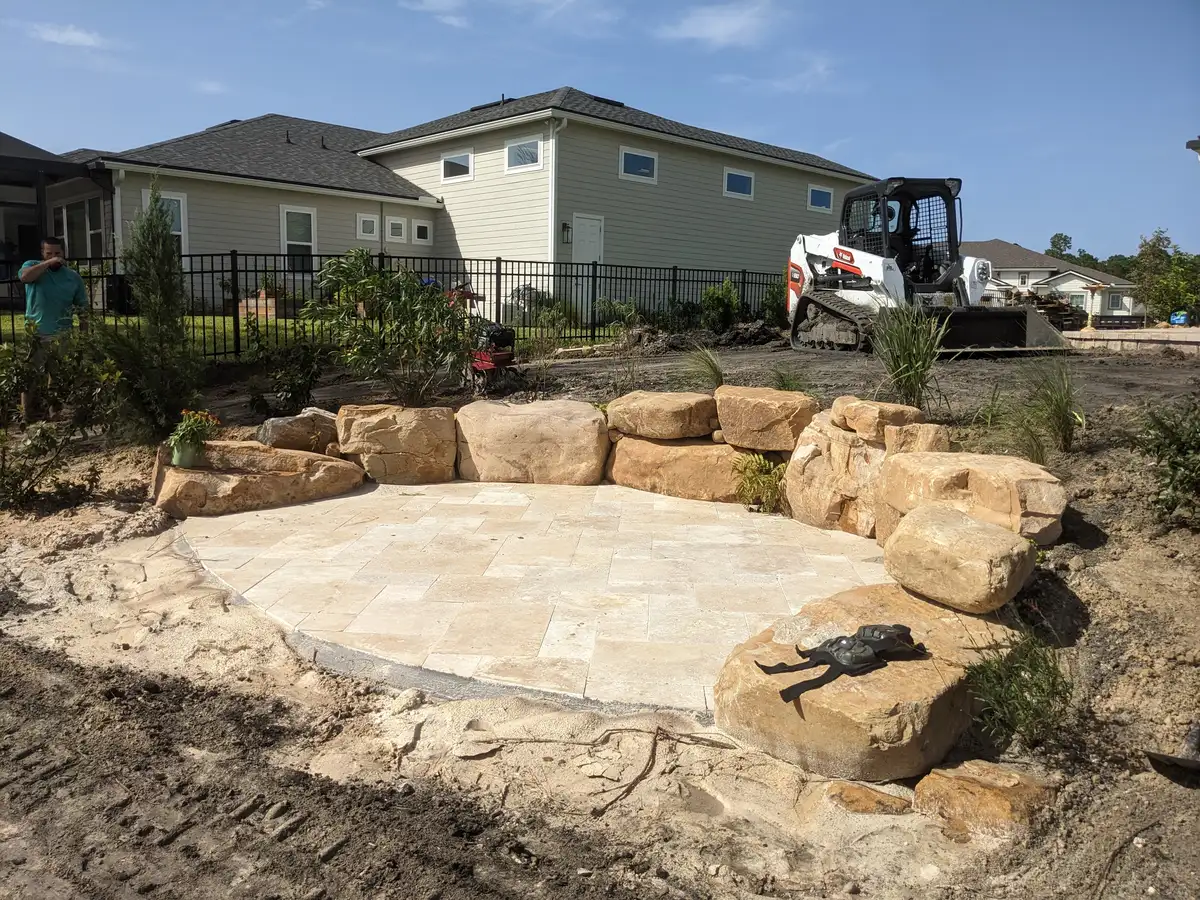
Stone paver installations across Amelia Island, Fernandina Beach, and Ponte Vedra.

Natural Stone Paver FAQ
Most natural stone pavers with tumbled, honed, or natural-cleft finishes provide excellent slip resistance when wet. Travertine with a tumbled finish is one of the safest surfaces for pool decks and wet areas. We select finishes specifically for their slip resistance rating and avoid polished surfaces in outdoor applications where water exposure is expected.
We recommend sealing natural stone pavers every 2 to 4 years in Northeast Florida, depending on exposure and use. Sealing protects against organic staining from leaves, berries, and algae. It also enhances the stone's natural color. Some stone types, such as dense bluestone, require sealing less frequently than more porous types like travertine. We specify the appropriate sealer type and schedule for your specific stone.
Yes. Dense natural stones like granite, bluestone, and thick-cut travertine are suitable for vehicular traffic when installed over a properly engineered base. The base depth and compaction requirements are greater than for pedestrian-only surfaces, and we specify stone thickness of 2 inches or more for driveway applications. The result is a driveway with unmatched character that handles daily vehicle use.
Natural stone is highly resistant to thermal cracking because it has already endured millions of years of geological pressure and temperature changes. Unlike concrete pavers, which can crack from thermal expansion and contraction, natural stone handles Florida's temperature range without structural issues. Proper joint spacing and base preparation further protect against any thermal movement.
Natural stone pavers typically cost 20 to 40 percent more than standard concrete pavers in material cost, with installed prices ranging from $25 to $50 per square foot for most residential applications. However, natural stone's longer lifespan, lower maintenance needs, and superior aging characteristics mean the total cost of ownership over 25 years is often comparable to or less than concrete pavers that need replacement or resurfacing within that timeframe.