
A productive landscape design consultation starts before anyone draws a patio or chooses a plant. The first conversation should establish how you want to use the property, what the site needs to solve, which decisions belong in the design, and how you will compare the finished proposal.
For Fernandina Beach homeowners, that preparation should include coastal realities such as sandy soil, storm-season water, salt and wind exposure, intense sun, mature-tree shade, and access around the home. Use this checklist alongside Bloom and Stone's guide to landscape design in Fernandina Beach before you book.
What should this landscape make easier or more enjoyable?
Begin with use, not a shopping list. Do you need a safer route from the driveway, a comfortable place to eat outside, more privacy, a calmer garden view, better connections between doors and gathering areas, or a plan that brings several disconnected features together? Identify the people and pets who will use the space, the times of day that matter, and which existing elements should stay.
Bring a short priority list divided into “must have,” “would like,” and “later.” Include future ideas such as a fire pit, water feature, lighting, outdoor kitchen, or expanded patio even if they are not part of the first installation phase. A complete design can reserve space, access, and utility routes so today’s choices do not block tomorrow’s plans.
Which site conditions need the designer’s attention?
Walk the property after rain and again during the brightest part of the day. Note standing water, roof runoff, eroded edges, dry areas, deep shade, reflected heat, prevailing wind, and places that may receive salt exposure. Point out roots, utilities, gates, narrow side yards, steps, thresholds, septic components, easements, and any route that material or equipment would need to use.
You are not expected to solve these conditions. Your observations help the designer decide what needs closer review. University of Florida landscape design guidance emphasizes understanding the site and the people using it before arranging spaces and plants. That site-first principle is especially useful when drainage, mature trees, hardscape elevations, and planting must work together.
A useful first-meeting note
Write down three things: what is not working, how you want the property to feel, and what you want to be able to do outside. Add photos of temporary conditions—such as standing water or seasonal shade—that may not be visible during the visit.
What exactly does the landscape design agreement include?
The phrase “landscape design” can describe a simple planting concept or a coordinated plan for patios, paths, grading relationships, stonework, planting, lighting, fire, water, and outdoor living areas. Ask which parts of the property are included and what documents or views you will receive.
Clarify whether the scope includes field measurements, concept options, a scaled layout, planting or material direction, 3D views, revision rounds, meetings, and support during installation planning. Then ask what is excluded. Surveys, engineering, arborist advice, irrigation design, permit documents, and neighborhood submissions may require separate work depending on the property and project.
How should you compare an hourly rate or fixed design fee?
A number such as $100 an hour cannot be judged without context. One proposal may include only drawing time, while another may account for site study, measurements, design development, selections, visualization, client meetings, revisions, and coordination. A lower rate can still lead to a higher total if the scope is unclear or the expected hours differ.
Ask whether the fee is fixed, hourly, or divided into phases; what assumptions support the estimate; what triggers additional charges; and when you will be asked to approve more work. Compare the same deliverables across proposals. The best question is not simply “What is the rate?” but “What decisions will this scope help me make?”
Will 3D views answer the decisions you care about?
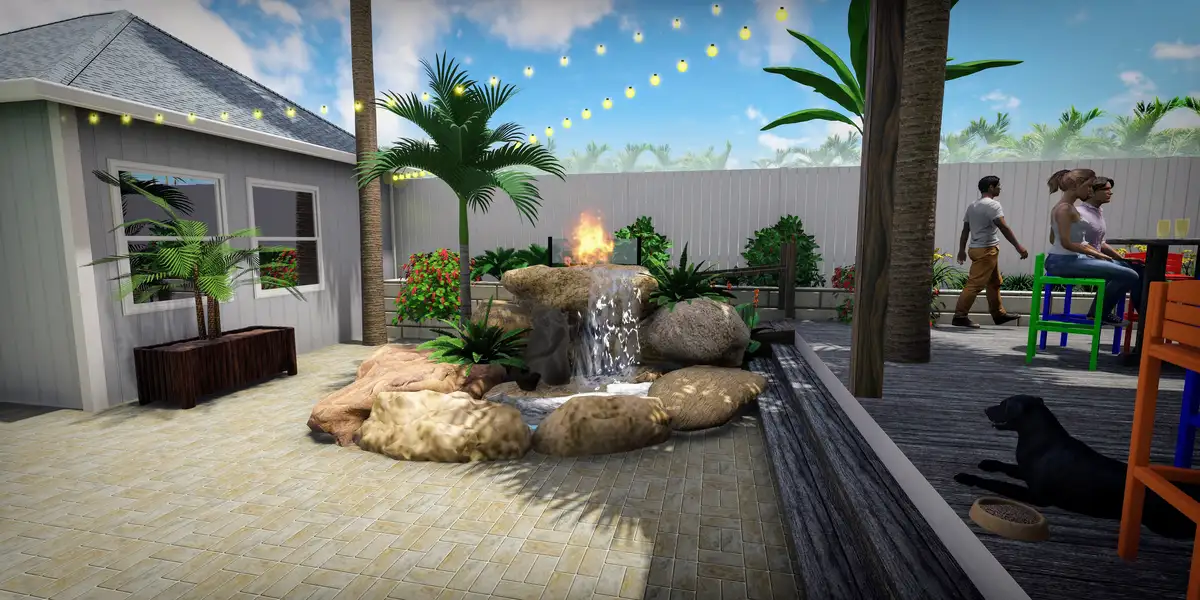
Visualization is valuable when it helps you test patio scale, furniture clearance, views from inside the home, planting depth, privacy, lighting, and the relationship among stone, water, fire, and gathering areas. Ask which elements are accurate selections and which are conceptual stand-ins.
AI images and online inspiration can help communicate a mood, but they do not verify grades, drainage, roots, utilities, access, sun, or approval requirements. Keep inspiration as a conversation tool. Use a site-responsive plan and clearly explained deliverables for real installation decisions. Bloom and Stone’s 3D design and naturalistic landscaping service shows how visualization can connect the property plan before construction begins.
Plan for Coastal ConditionsWhat does low maintenance mean for this household and site?
“Low maintenance” is not a single plant palette or a yard with no seasonal care. Define which tasks you want to reduce and which you do not mind. One homeowner may want less mowing and formal shearing; another may prefer tidy lawn edges but welcome a layered garden that needs periodic editing.
Ask how the plan responds to light, sandy soil, moisture, salt, wind, and mature plant size. Bed access, irrigation reach, leaf drop, lawn shape, pruning clearance, surface cleaning, and routes for routine service all influence upkeep. A thoughtful naturalistic landscape design can feel relaxed while still being organized around the amount of care you want to provide.
What should you ask about stone, pavers, plants, and other materials?
Whether you speak directly with a landscape supplier or selections are coordinated through the designer, ask for product specifications and intended outdoor use. Confirm current availability, lead time, delivery access, color or texture variation, recommended installation conditions, care guidance, and how extra or damaged material is handled.
Do not approve a substitution as an isolated color choice. A different paver size can affect the pattern and cuts; a plant substitution can change mature scale, shade tolerance, salt response, and irrigation needs. Ask how any change affects adjacent materials, layout, long-term care, and the overall visual rhythm of the plan.
Which approvals or specialist reviews may affect the project?
Share any survey, neighborhood standards, historic-district information, utility notes, or previous approvals you already have. Ask who will confirm easements, setbacks, tree requirements, drainage or engineering needs, permits, and association review for the proposed scope. Requirements vary by property and project, so written responsibility matters more than a general promise that approvals will be handled.
It is also useful to ask when each review belongs in the sequence. Finding out about a restriction after final selections can create avoidable revisions. Early questions keep the design moving toward a plan that can be evaluated and installed.
Before You BookWhat should be clear before you sign the design agreement?
You should understand the areas being designed, the site information required, the deliverables, the fee structure, the expected decision points, the number or type of revisions, and what happens after design approval. Confirm whether installation pricing follows the design, whether the work may be phased, and which owner or specialist responsibilities sit outside the agreement.
Also consider communication fit. Ask who will be your point of contact, how feedback is collected, and how choices are documented. A good process should leave you able to explain why the major elements are where they are—not just whether the rendering looks attractive.
Review the matching landscape design pages
Explore the design service, local considerations, and Fernandina Beach planning details before starting a consultation.
Ready to bring your questions to a landscape design consultation?
Tell Bloom and Stone Outdoor Designs LLC how you want to use your property, what conditions you have noticed, which features matter now, and what you may want to add later. Those details create a stronger starting point for a connected plan.
Call (904) 206-7876 or contact Bloom and Stone to request a consultation.
Common QuestionsLandscape design questions Fernandina Beach homeowners ask
List how you want to use the yard, what is not working now, the level of maintenance you prefer, features you may add later, and any target timing or budget boundaries. Photos of standing water, strong shade, salt exposure, access limits, and favorite views can make the first conversation more specific.
An hourly rate alone does not show whether a proposal is a good value. Compare the experience involved, estimated hours, site work, drawings, selections, 3D views, revision rounds, meetings, and installation coordination included. Ask for the scope and expected total before comparing proposals.
Low-maintenance design starts with plants and materials suited to the property's sun, shade, sandy soil, moisture, wind, and salt exposure. Mature plant size, practical bed edges, manageable lawn areas, irrigation access, and the homeowner's preferred style of seasonal care also matter. No living landscape is maintenance-free.
Confirm product specifications, intended outdoor use, color or texture variation, current availability, lead time, delivery access, recommended base or installation requirements, care guidance, and how damaged or extra material is handled. Coordinate substitutions with the designer so one change does not disrupt the larger plan.
AI can help organize ideas or create inspiration images, but it cannot verify a property's drainage, roots, grades, utilities, access, exposure, or approval requirements. Use digital inspiration to communicate preferences, then rely on a site-specific review and clearly documented plan for real project decisions.
Tell the designer about known easements, neighborhood standards, historic-district considerations, utilities, and prior surveys. Ask which elements may require owner, association, municipal, engineering, arborist, or other specialist review and who will confirm each requirement. Needs vary by property and scope.