
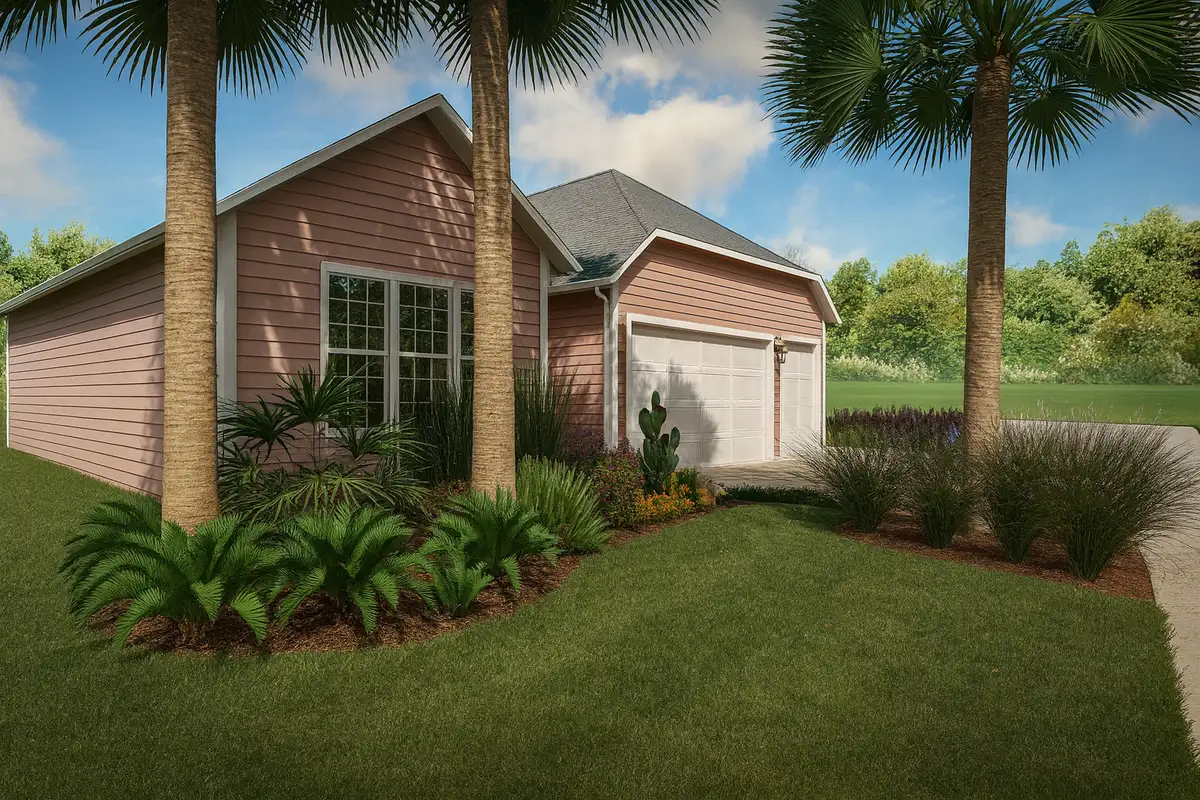
When Fernandina Beach homeowners search for landscape design, they are usually trying to avoid an expensive guess. They may want a front entry that feels finished, a patio that finally fits the furniture, planting beds that do not collapse after a summer storm, or a full outdoor living plan that brings stonework, lighting, water, and fire into one coherent space. The questions below are the ones worth asking before a consultation, because they affect the design, the budget conversation, and the long-term performance of the yard.
Bloom and Stone Outdoor Designs LLC focuses on naturalistic landscape design, 3D planning, hardscaping, patios, custom stonework, water features, fire features, lighting, and outdoor living spaces across Fernandina Beach and Northeast Florida. For this area, the right design conversation should include salt air, sandy soil, drainage, shade movement, storm season, installation access, and how people will actually move through the property.
A strong Fernandina Beach design consultation should account for the exact conditions around the home. A homeowner near the beach may be trying to protect plantings from salt and wind, while a shaded interior lot may need better drainage, root-aware planting, or a clearer path from the house to the patio. The best first meeting should connect those conditions to a visible plan, not simply ask what plants you like.
What is the real problem the design needs to solve?
The first question is not which plants look good. It is what is not working now. A yard can feel unfinished because the planting is thin, but it can also feel wrong because the walkway is too narrow, the patio is undersized, water is collecting near the house, the view from the kitchen is blocked, or the seating area is exposed to harsh afternoon sun. Naming the real problem keeps the design from becoming a shopping list.
For a Fernandina Beach home, the answer may be practical and aesthetic at the same time. A front yard may need curb appeal and salt-tolerant structure. A backyard may need a better grade, a deeper patio, layered privacy, and lighting for evening use. A side yard may need access for installation, drainage correction, and a pathway that does not look like an afterthought. A strong consultation should turn those observations into priorities.
How will coastal conditions affect the plant palette?
Fernandina Beach is not an inland planting environment. Sandy soil drains quickly and can shed nutrients. Salt air can stress plants that look healthy at the nursery. Heavy rain can expose weak grading. Mature live oaks create beautiful shade but also root competition and leaf litter. A landscape design should choose plants for those conditions rather than forcing a generic Florida palette onto the site.
Homeowners should ask how the designer thinks about salt exposure, irrigation expectations, mature plant size, screening, seasonal texture, and maintenance. Native and adapted plants such as muhly grass, coontie, yaupon holly, wax myrtle, saw palmetto, beautyberry, and other regionally appropriate choices can support a naturalistic design while reducing the need for constant correction after installation.
Will the design address drainage before hardscape layout?
Drainage is one of the most important questions to ask before committing to patios, walkways, walls, or planting beds. A patio changes how water moves. A raised bed can redirect runoff. A walkway can become a channel during a storm if grade is ignored. Roofline discharge, low spots, compacted paths, and sandy soil all need to be understood before stonework or planting details are finalized.
That does not mean every yard needs a large engineered solution. Often, the design work is about subtle grading, smarter bed shape, permeable joints, better transition points, plant choices that can tolerate occasional wet feet, and hardscape edges that shed water away from the home. Those choices are easier to make before installation than after the first heavy rain exposes the issue.
Is 3D landscape design worth it for this project?
For many Fernandina Beach homeowners, 3D planning is valuable because outdoor scale is difficult to judge from a flat sketch. A 3D design can show whether a patio is deep enough for a dining table, how a fire pit seating area fits, where planting beds frame views, and how custom stonework relates to the home. It can also help compare phases before material is ordered.
3D design is especially helpful when the project includes more than one element. If a homeowner is considering hardscaping, a paver patio, landscape lighting, water features, or fire pit installation, the design should show how those pieces support one plan. Seeing the relationship early can prevent a patio, planting bed, or lighting zone from feeling disconnected later.
Should the project be phased or built at once?
Phasing is often a smart question, but it should be handled during design, not improvised during construction. If the project will be built over time, the first phase may need to include sleeves for future lighting, access routes for future stone delivery, patio grades that anticipate a later seating wall, or planting beds that leave room for a future water feature. Otherwise, the second phase can disturb work that was already finished.
A phased plan can also help homeowners prioritize. Drainage, major grading, patio depth, retaining edges, and utility planning usually need to happen before detail plantings and decorative features. The design conversation should make those dependencies clear so the homeowner understands which decisions are urgent and which can wait.
What local restrictions or review steps matter?
Some Fernandina Beach properties may need HOA review, historic district sensitivity, setback awareness, utility location, or material approval. The exact requirements depend on the property, but homeowners should raise those questions early. A landscape design that looks good but ignores review constraints can slow the project or require unnecessary revisions.
Even when formal approval is not complex, neighborhood context still matters. A historic cottage, an ocean-facing home, a marsh-side lot, and a newer property near Yulee or Wildlight should not all receive the same design response. Local context should influence plant height, stone character, lighting restraint, privacy strategy, and the relationship between the home and the street.
What should I bring to the first conversation?
Bring the project address, photos from several angles, a short list of problem areas, any known drainage concerns, and a clear sense of how the space should be used. If you have a survey, HOA notes, inspiration images, or measurements, those can help. The goal is not to arrive with every decision made; it is to give the designer enough context to ask better questions on site.
It also helps to sort features into priorities. A homeowner may want planting, a patio, lighting, a fire pit, a water feature, and a better side-yard route, but not every element has the same urgency. Deciding what must be solved first makes the design more useful and the estimate conversation more grounded.
How should I compare landscape design options?
Compare the clarity of the process, not only the price. A useful design proposal should explain what is being evaluated, what deliverables are included, how revisions work, and how the plan will connect to installation decisions. Ask whether the designer will address drainage, plant maturity, hardscape layout, lighting, phasing, material direction, and the practical concerns that are specific to the property.
If a proposal only lists plants and square footage, it may not answer the questions that affect long-term success. For a coastal Fernandina Beach yard, specificity matters. The design should reflect the site, the outdoor features involved, and the homeowner's goals.
Before booking, ask what decisions the design will make easier. A complete landscape design proposal should help clarify the patio footprint, planting strategy, drainage priorities, stone or paver direction, lighting zones, and whether the work should be built in one phase or planned as a roadmap. That level of detail is especially important when the property may need access planning, HOA review, utility coordination, or future outdoor living features.
Where should a Fernandina Beach homeowner start with landscape design?
For a deeper look at how coastal drainage, sandy soil, 3D planning, stonework, lighting, and future phases fit together, explore landscape design in Fernandina Beach, FL. Bloom and Stone also serves the broader Fernandina Beach area and nearby communities including Amelia Island, Yulee, Wildlight, Jacksonville, and Ponte Vedra.
For an updated consultation-prep checklist, read the newer guide to landscape design questions Fernandina Beach homeowners ask before booking. It adds more detail on how to describe site problems, organize priorities, and decide whether a focused design or larger outdoor living plan is the better starting point.
When you are ready to discuss a specific property, use the contact form or call (904) 206-7876. Share the location, the outdoor issues you want solved, and the features you are considering. The first conversation should help clarify whether you need a focused design, a larger outdoor living plan, or a phased roadmap.
Ask how the designer evaluates drainage, sandy soil, salt air, wind exposure, mature trees, patio scale, plant maintenance, installation access, and whether the design includes 3D visualization before construction decisions are made.
Fernandina Beach properties can face salt spray, fast-draining sand, heavy summer rain, wind exposure, mature live oak shade, and neighborhood review requirements. Coastal planning helps align plants, patios, stonework, drainage, and lighting with those conditions.
Yes. Patio size, pathway routes, grading, planting beds, lighting, irrigation, fire features, and water features all affect one another. Planning them together helps the finished outdoor space feel cohesive and reduces avoidable rework.
Prepare the property address, photos, goals, problem areas, timing needs, HOA or historic district notes if applicable, and a priority list for features such as landscape design, hardscaping, patios, lighting, fire pits, water features, or outdoor living areas.
If the project involves drainage, patio size, circulation, lighting, stonework, plant selection, future phases, or multiple outdoor features, start with landscape design in Fernandina Beach. A landscaper can install and maintain work, but a design-led plan helps define what should be built, where it belongs, and how each phase should connect.
A complete proposal should explain what site conditions will be evaluated, whether 3D views or layout drawings are included, how revisions work, which outdoor features are being coordinated, and how the design will support pricing, phasing, and installation decisions.